A dollhouse is often considered “just a pretty toy,” but it is one of the most powerful tools for a child’s emotional and social development.
A safe place to act out life
With dolls, children act out what they experience in everyday life: the morning rush, visitors, an argument and making up, their first day at preschool. This helps them process their experiences and learn to understand how others feel.
Empathy and emotions
When a child says, “The doll is sad because she fell,” they are practicing how to recognize and name emotions. This is the foundation of empathy and, later, healthy relationships with others.
Language and storytelling
During role-play, children speak in different voices, make up dialogues and create whole storylines. This expands their vocabulary and develops storytelling skills, which later help with reading and writing, too.
Planning and organizing
Furnishing rooms, arranging furniture, deciding who sleeps where—all of this is planning on a small scale. Children learn to think about sequence, space and order.
Playing together
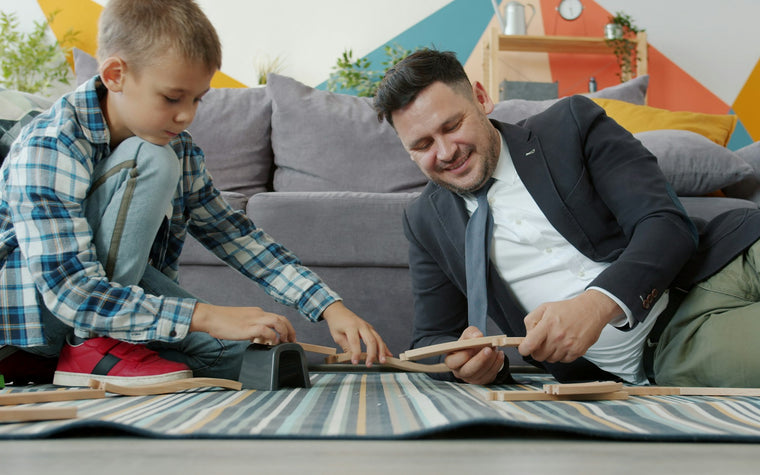
A dollhouse is great for playing together with siblings or parents. As they play together, children agree on roles, compromise and cooperate.
How to choose a dollhouse
- Multiple floors and an open back let several children play at the same time.
- A set that includes furniture lets you start playing right away; additional furniture can be purchased later.
- Wooden houses are sturdy and last for years.
- Dollhouses are generally suitable from around age 3—pay attention to small parts.
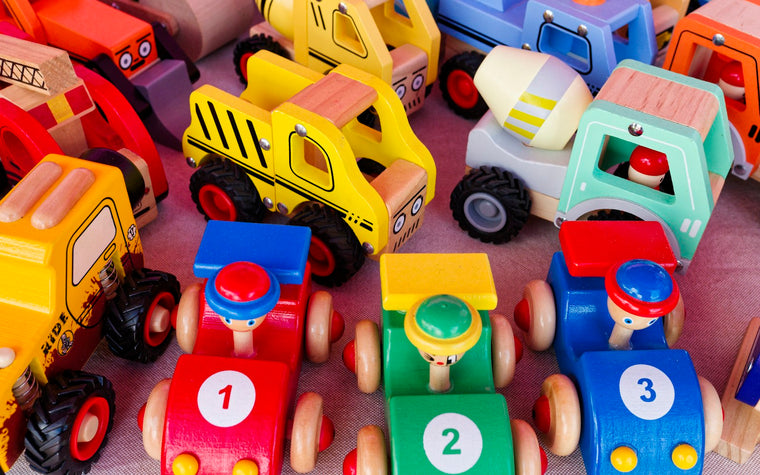
Dollhouses aren’t just for girls—boys are just as enthusiastic about playing with houses, garages and farms. The most important thing is having the chance to act out their own world.